
What is the Difference Between a Dough Mixer and a Dough Kneader?
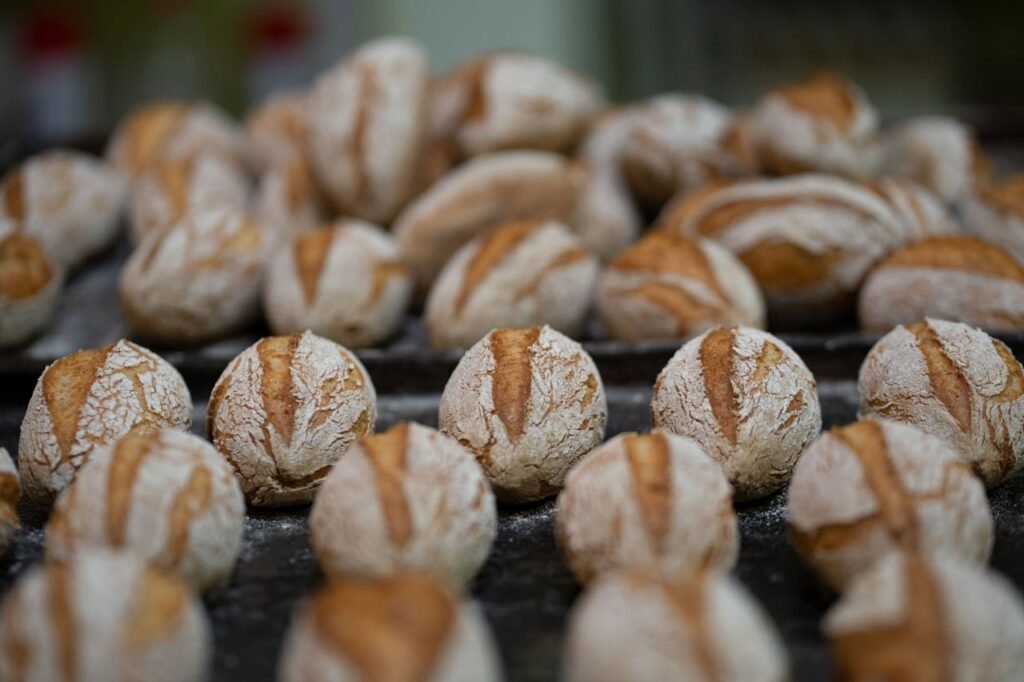
In commercial bakeries, home kitchens, and food production facilities, dough preparation is a foundational step that directly impacts the texture, flavor, and quality of final products like bread, pastries, and pizza. Two common pieces of equipment used for this task—dough mixers and dough kneaders—are often confused, but they serve distinct purposes, operate on different principles, and cater to varying needs. Understanding their differences is critical for choosing the right tool, optimizing workflow, and achieving consistent results. Below is a detailed breakdown of their key distinctions across six core dimensions.
How to knead bread

Kneading bread dough is a crucial step that develops gluten, giving the bread its structure and chewy texture. Here’s a step-by-step guide on how to knead bread dough, both by hand and with a stand mixer:
How to use a dough mixer
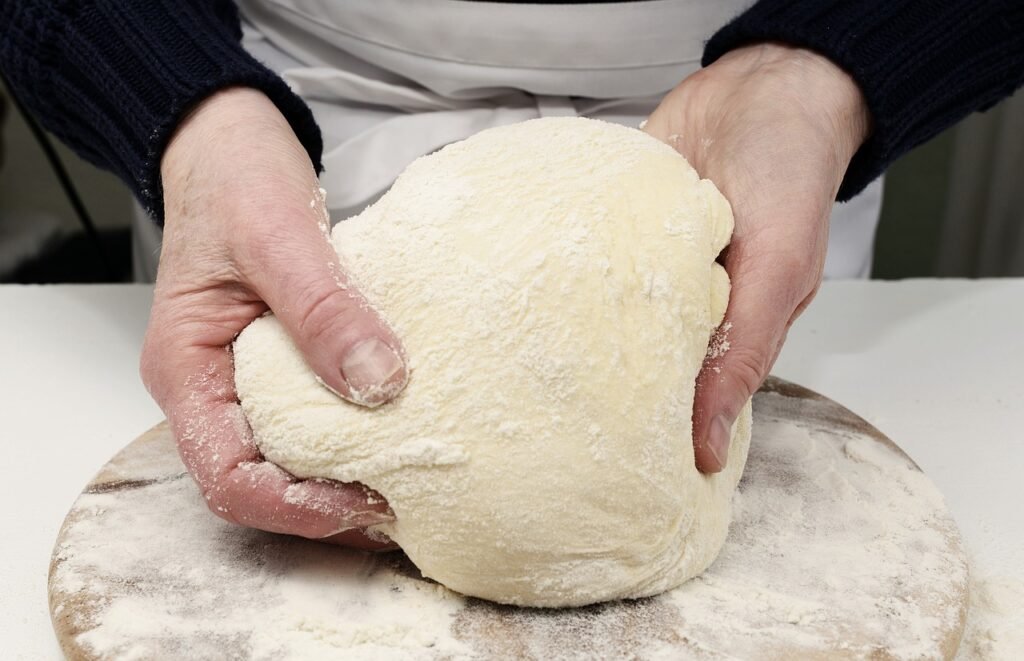
Using a dough mixer, especially a stand mixer with a dough hook attachment, is an efficient way to mix and knead dough for various recipes, such as bread, pizza, and pastries. Here’s a step-by-step guide on how to use a dough mixer effectively:
How to knead pizza dough with stand mixer
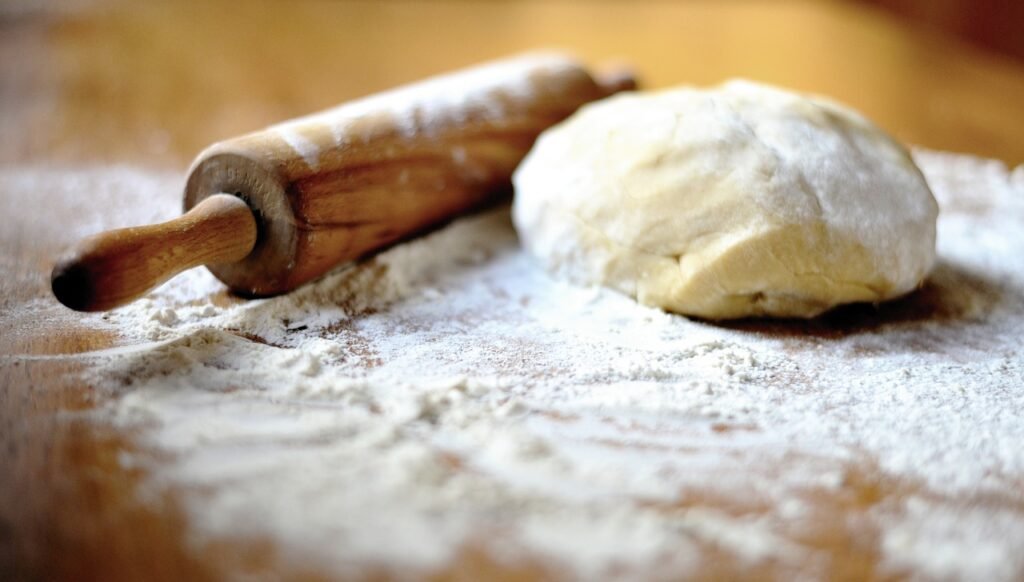
Kneading pizza dough with a stand mixer is a convenient and efficient way to achieve a smooth and elastic dough without exerting as much effort as kneading by hand. Here’s a guide on how to knead pizza dough using a stand mixer: